4 Ways Music Helps Your Child’s Development
Music is far more than a fun hobby for children—it is a powerful tool that supports growth in multiple areas of development. Learning and engaging with music can strengthen cognitive abilities, enhance emotional intelligence, and promote social and physical skills.
Parents who encourage their children to explore music help lay the foundation for a lifetime of learning, creativity, and self-expression.
Countless studies have proven that playing music is really, really good for people, both mentally and physically. Because babies’ and toddlers’ brains and bodies are developing so fast, the benefits of music are the greatest for them!
But how exactly does music benefit your baby’s development? At Brooklyn Music Factory we’ve rounded up a few articles from some AWESOME resources to share the deeper facts and benefits of music on child development.
1. Overall Benefits of Music
Does listening to music actually make your baby smarter? What kinds of music are best for baby? And what are the overall benefits of music? Read on to find the answers in this article!
2. How Music Helps Child Development
Music is such a big part of our lives – culturally, in entertainment, and especially in the development of our little ones. But what is the exact connection to the brain? This article helps answer that question!
It also gives some GREAT examples of age specific musical activities to do with your child.
3. Music & Speech Development
Sure, music is FUN, but can it help your baby’s speech development! (The answer of course is YES.) Read on to learn more!
4. Music & SLEEP
Ahhhh. The ever elusive sleep for our little ones. Can music help your child sleep better? (Can it help YOU sleep better for that matter?) I’m guessing you know the answer! Read all about it (and catch some better Zzzz’s) in this article.
Why??
Why do we care so much about music and its benefit to children? Because we believe in the power of music and its positive effect on kids.
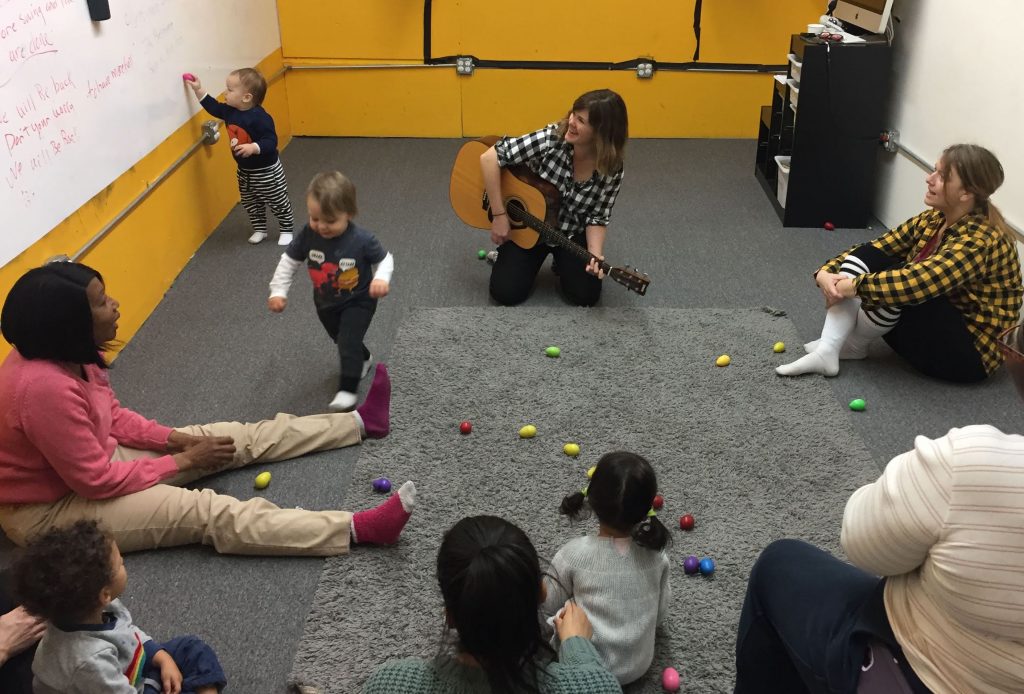
At Brooklyn Music Factory we believe learning music should be joyful and creative– for even the youngest music-makers!
What are some ways your family makes music together at home?
1. Enhances Cognitive and Academic Skills
Engaging with music stimulates multiple areas of the brain simultaneously, improving memory, attention, and problem-solving abilities.
Children who practice music regularly often develop:
-
Stronger language and literacy skills through song lyrics and reading music
-
Better math and pattern recognition through rhythm and timing
-
Improved focus and concentration, which carry over to school performance
Learning music challenges the brain in ways that support overall cognitive development.
2. Boosts Emotional and Social Growth
Music provides children with a safe and expressive outlet for their emotions. Playing an instrument, singing, or writing songs allows them to process feelings they may not yet have words for.
Participating in music activities also strengthens social skills:
-
Children learn teamwork and collaboration in ensembles or group classes
-
Performing in front of others builds confidence and self-esteem
-
Sharing music encourages empathy and understanding of others’ emotions
Music nurtures both emotional intelligence and interpersonal skills.
3. Develops Physical Coordination and Motor Skills
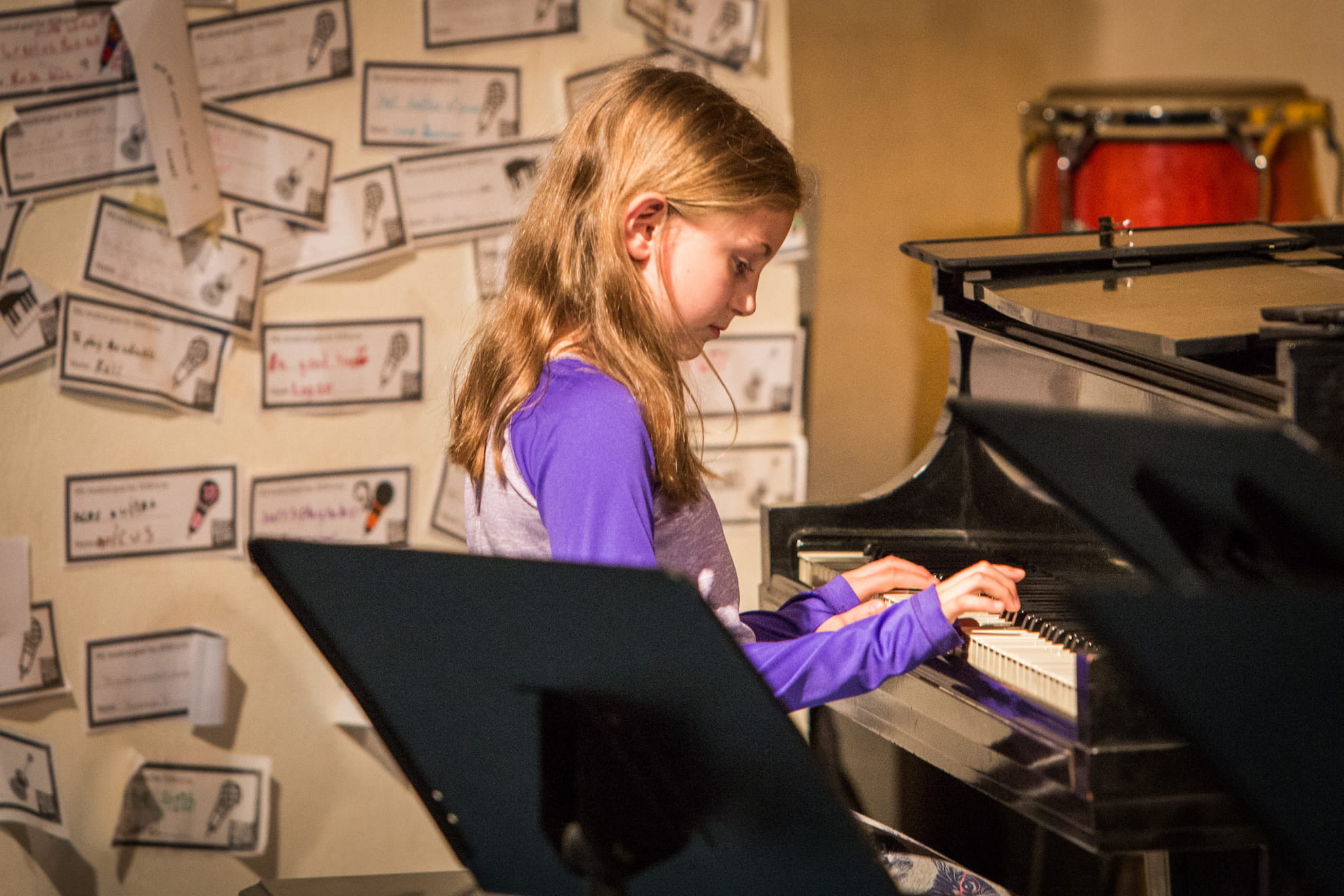
Playing an instrument requires coordination between hands, fingers, and sometimes feet. This strengthens fine and gross motor skills while improving hand-eye coordination.
For example:
-
Piano playing develops finger independence and dexterity
-
Drumming builds rhythm, timing, and whole-body coordination
-
String instruments enhance hand positioning and precise movement
Physical skills learned through music support overall development and confidence in movement.
4. Encourages Creativity and Self-Expression
Music encourages children to explore their creativity and find their unique voice. From composing original songs to improvising on an instrument, music gives children opportunities to experiment, take risks, and express themselves freely.
Benefits of nurturing creativity through music include:
-
Increased problem-solving abilities and imaginative thinking
-
A sense of personal accomplishment and pride in creations
-
Greater willingness to explore new ideas and activities
Creative expression through music fosters independence and a love for learning.
Final Thoughts
Music plays a vital role in a child’s overall development. By supporting cognitive growth, emotional expression, physical coordination, and creativity, musical activities equip children with skills that extend far beyond the classroom.
Encouraging your child to engage with music not only cultivates talent but also builds confidence, self-expression, and a lifelong appreciation for the arts.