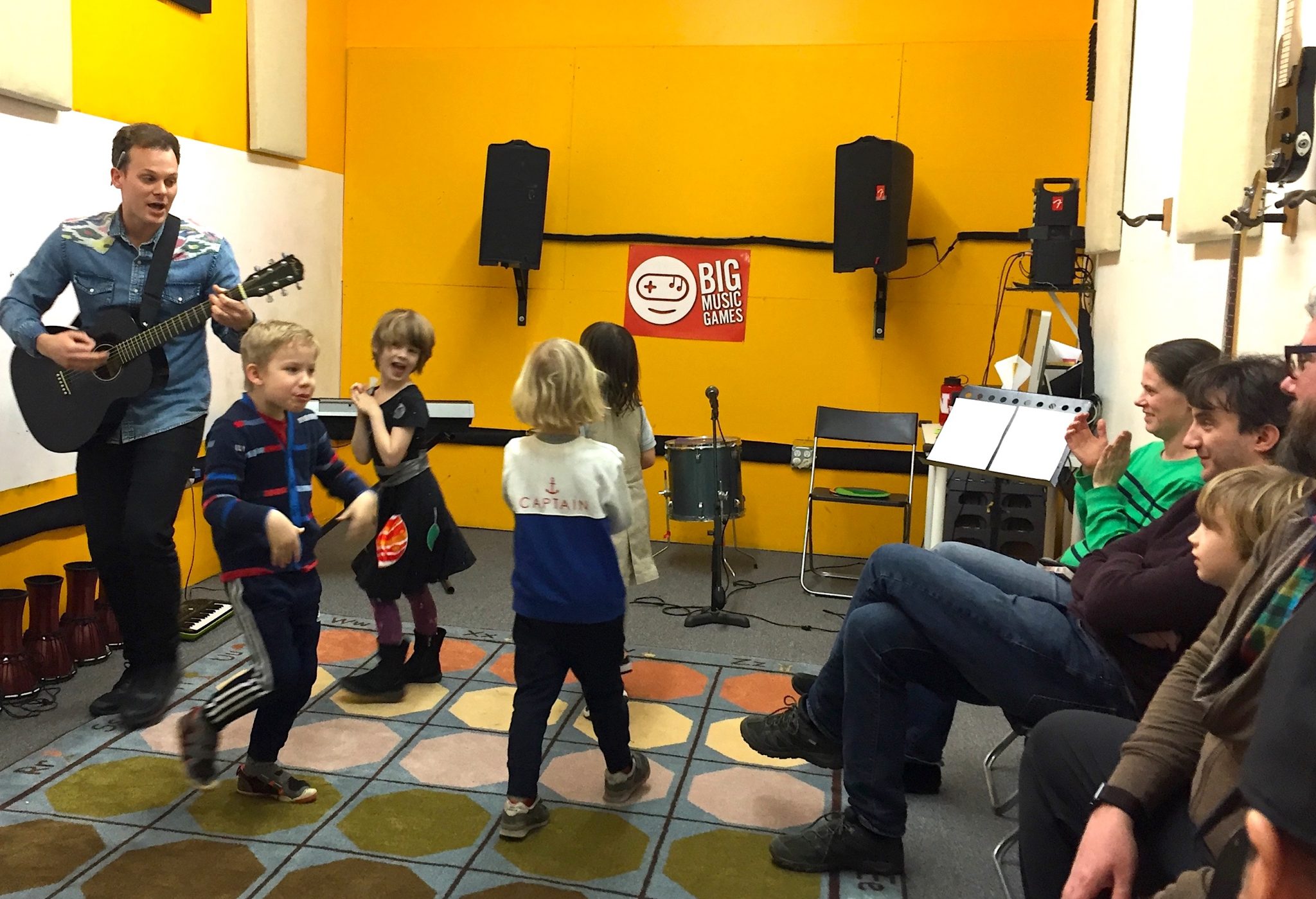
We play games in music class. Lots of games.
Let’s get something cleared up right away. What you call an exercise or drill, at Brooklyn Music Factory, we call a game.
And we play music games- lots of them- in class.
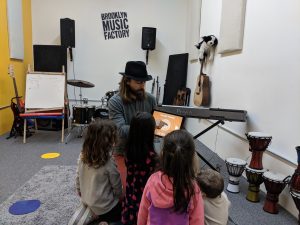
Where traditional music lessons demand repetition with little to no reward, positive feedback or even a clear explanation ‘why’, Brooklyn Music Factory uses games in music class to challenge students to learn and grow as musicians. Students advance through multiple levels of an activity–or game–and are rewarded with rapid and joyful feedback along the way.
For our students ages 4-12, we play music games in every single lesson and class. No exceptions. Our curriculum is literally built around games. Our purpose is to inspire musicians, and we believe that games encourage prolonged focus and deep learning.
Every great game includes the following four attributes:
1.) A specific goal
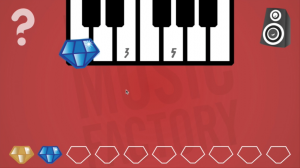
Our melody game “Major/Minor” has a single goal: The player must keep their harmony health from hitting zero by identifying the quality–major or minor?–of 20 chords. Identify 80 percent of the chords correctly and move to the next level. Miss four or more? Your harmony health hits zero, and the game’s over! This clear sense of purpose motivates students to keep playing (and learning!).
2.) Feedback
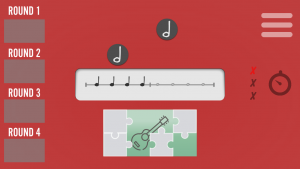
Regular feedback reminds the player that the goal is achievable. Knowing that the goal is even possible is a HUGE motivator to keep playing. In “Groove Puzzler” the player unveils the pieces of a puzzle one at a time by correctly placing a note in a measure. Eventually, piece by piece, note by note, the player completes the puzzle! But get one question wrong and a big old X lights up and the voice says, “Come on now!” The player knows when they’re right and when they’re wrong. This feedback encourages them to keep playing and ultimately achieve the goal!
3.) Rules
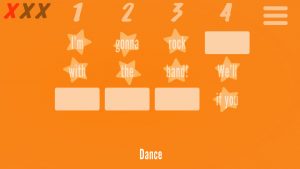
Seems obvious, but the ‘why’ behind clear rules is pretty fascinating. By placing limitations on how the goal can be achieved, a game promotes creative and strategic thinking. In our game “Word Beat” the musician is challenged to listen to lyrics and place the syllables on the correct beats or even subdivisions of the beat within a measure. The musician has to work with only the syllables or words provided and is challenged to listen deeply to the song while trying to critically decipher exactly how the lyrics and the beat fit together. Word Beat is a game that asks the player to look at the big picture of a song, while also looking closely at its details and construction.
4.) Voluntary participation
In other words, everyone who plays the game knowingly and willingly accepts its goal, rules and feedback. Why is this so vital? Because without voluntary participation, you cannot have team play.
Games in music class = teamwork
We LOVE games as a teaching tool at Brooklyn Music Factory because they promote teamwork – team play – team understanding. Our ultimate purpose is to inspire everyone to make music with other musicians, to play in a band. So naturally, from a very early age, we want to inspire teamwork and collective understanding of the goals, rules and feedback of playing in a band.
So yes, we play lots of games in music class.
We dedicate every week to inventing & testing new games with every single one of our faculty members. And we believe that a teaching tool like BigMusicGames.com will revolutionize how kids learn music.
We start playing games with our students when they enter BMF at age 4, and we keep playing games & leveling them up until students hit their teen years. (Lots of our teens even want to keep playing…)
Games turn lessons from practice to play.