It’s Never Too Late To Start Taking Piano Lessons
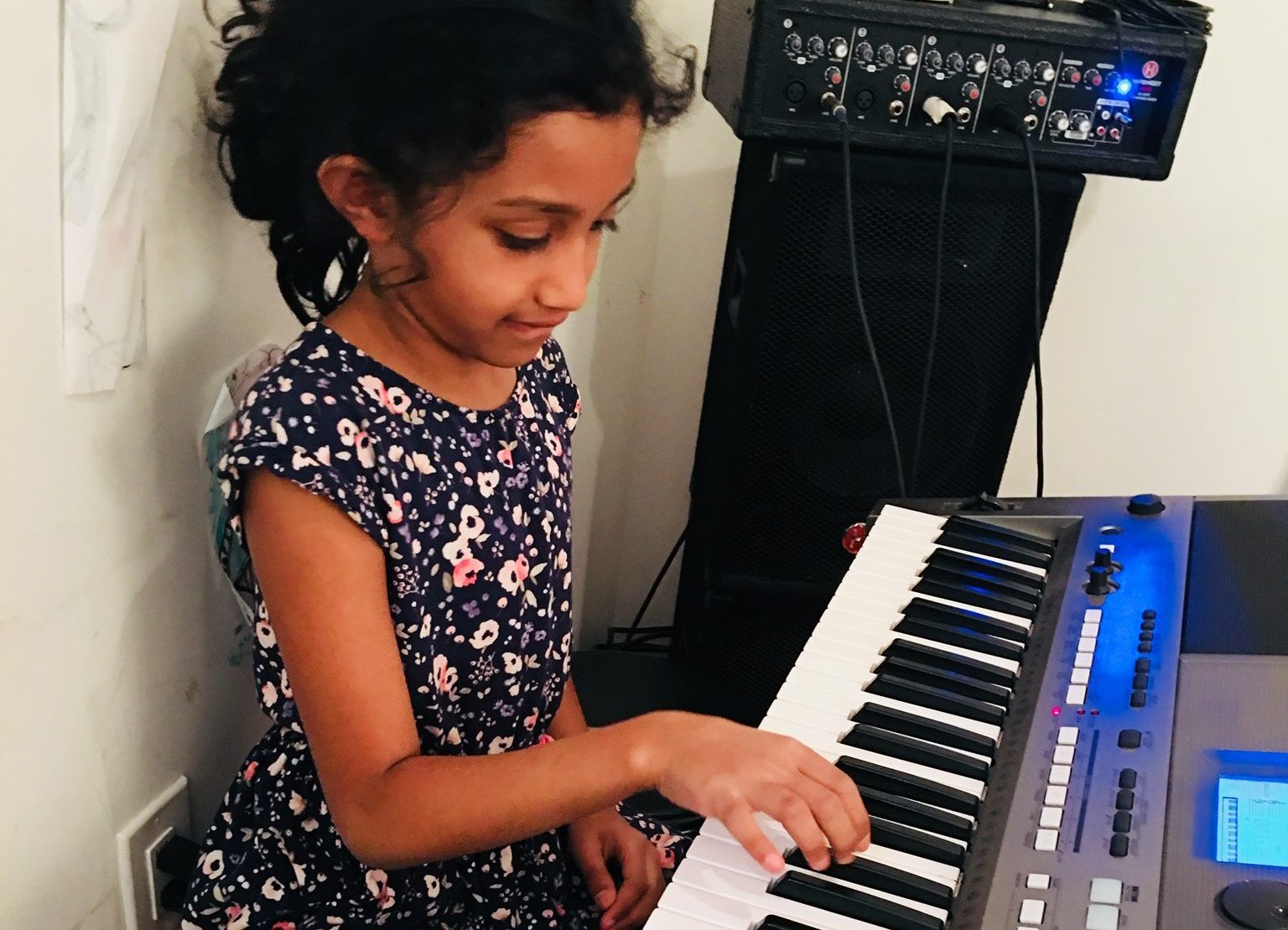
Many people believe that piano lessons are only for young children, but this misconception prevents countless teens and adults from discovering the joy of music. Piano is one of the most versatile and welcoming instruments, making it an excellent choice for beginners at any stage of life. Whether you are starting for personal enjoyment, creative expression, or mental stimulation, learning piano later in life can be both rewarding and transformative.
Age is not a limitation when it comes to music. Curiosity, consistency, and a positive learning environment matter far more than when you begin.
Why Piano Is an Ideal Instrument for Beginners
Piano offers a clear and logical layout that helps new students understand musical relationships quickly. The visual structure of the keyboard makes it easier to recognize patterns, scales, and harmonies, allowing beginners to build confidence early in their learning journey.
Unlike many instruments, piano enables students to play melody and harmony together, creating a full musical experience from the start. This makes learning more satisfying and encourages continued practice.
Cognitive Benefits of Learning Piano
Playing piano engages multiple areas of the brain at the same time. Reading music, coordinating both hands, and maintaining rhythm all work together to strengthen memory, focus, and mental flexibility.
For teens and adults, piano lessons can improve concentration and problem-solving skills while supporting long-term brain health. Learning new musical concepts keeps the mind active and adaptable, regardless of age.
Emotional and Mental Well-Being
Piano lessons offer a meaningful emotional outlet and a break from daily stress. Sitting at the piano allows learners to slow down, focus, and express emotions through sound rather than words.
Many students find that playing piano brings a sense of calm and balance to their routine. Over time, this emotional connection to music can improve overall well-being and provide a healthy form of self-expression.
Building Confidence Through Piano Lessons
Starting something new later in life takes courage. Each step forward at the piano builds confidence and reinforces the idea that growth is always possible.
Progress on the piano is tangible. Learning a new piece or mastering a technique provides clear evidence of improvement, which strengthens self-belief and motivation. This confidence often carries over into other areas of life, including work, school, and personal goals.
Adults and Teens Bring Unique Strengths to Learning Piano
Older beginners often approach piano lessons with intention and focus. Unlike children, teens and adults typically understand why they want to learn, which leads to stronger motivation and commitment.
Life experience also helps learners connect emotionally to music. This deeper understanding can make musical expression more meaningful and satisfying.
Developing Discipline and Consistency
Learning piano encourages the development of healthy habits. Regular practice teaches patience, time management, and perseverance. These skills are valuable far beyond music and support long-term personal growth.
Even short, consistent practice sessions can lead to noticeable progress, helping students maintain momentum without feeling overwhelmed.
Enjoying Music Without Pressure
One of the greatest advantages of starting piano later in life is freedom from comparison. Learning does not have to be competitive or goal-driven. Piano can simply be a source of enjoyment, creativity, and personal fulfillment.
Progress happens at an individual pace, allowing students to enjoy the process without unnecessary pressure.
Final Thoughts
It is never too late to start taking piano lessons. Whether you are a teen exploring music for the first time or an adult returning to a long-held interest, piano offers lifelong benefits for the mind, emotions, and creative spirit.
Music does not belong to a specific age group. It belongs to anyone willing to listen, learn, and enjoy the journey.