The Best Age to Start Taking Piano Lessons
Many parents and students wonder whether there is an ideal age to begin piano lessons. Piano is one of the most versatile instruments, making it accessible to learners of all ages. While age can influence how lessons are structured, it does not determine long-term success.
The most important factors in learning piano are interest, consistency, and a supportive learning environment.
Starting Piano Lessons at a Young Age
Young children can begin piano lessons when they show curiosity about music and have the ability to focus for short periods. Early lessons emphasize listening, rhythm, and basic coordination rather than technical mastery.
At this stage, learning is playful and exploratory. These early experiences help children develop musical awareness and a positive relationship with music.
Piano Lessons for School-Age Children
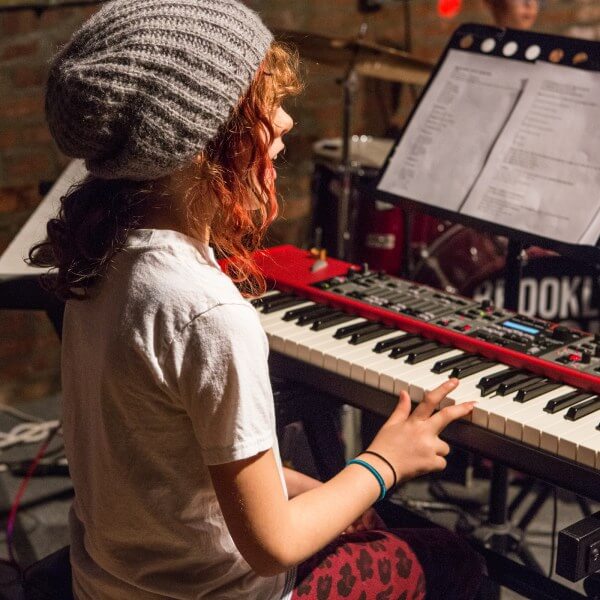
School-age children often have the physical coordination and attention span needed for more structured piano lessons. Students at this age can begin reading music, playing with both hands, and understanding basic musical concepts.
Regular practice helps build discipline and confidence, while steady progress keeps students motivated and engaged.
Learning Piano as a Teenager
Teenagers bring unique strengths to piano lessons, including increased focus and personal musical interests. Many teens enjoy learning music they recognize and connecting piano skills to other creative pursuits.
Piano lessons can provide a valuable outlet for self-expression while supporting emotional development and confidence during an important stage of life.
Starting Piano Lessons as an Adult
Adults often hesitate to start piano lessons, believing they may be too late. In reality, adults make thoughtful and dedicated learners because they choose to learn with purpose.
Piano lessons for adults support mental focus, stress relief, and creative enjoyment. While progress may feel different than it does for children, it is equally meaningful and rewarding.
Physical Readiness and Piano Learning
Physical factors such as hand size, finger strength, and coordination can influence how lessons are approached, particularly for younger students. However, modern teaching methods and appropriately sized keyboards allow students to learn comfortably at any age.
Physical readiness should guide lesson pacing rather than limit opportunity.
Emotional Readiness and Motivation
A student’s emotional readiness often plays a larger role than age. Learners who are curious, patient, and motivated tend to progress more consistently.
Enjoyment and encouragement help students stay engaged and develop confidence throughout their musical journey.
There Is No Single “Best” Age to Learn Piano
Each age group brings its own advantages. Young children develop early musical awareness, teens bring energy and curiosity, and adults offer focus and life experience.
The best age to start piano lessons is when the student feels ready and excited to learn.
Final Thoughts
Piano is a lifelong skill that can be learned and enjoyed at any stage of life. Whether starting young or beginning later, the benefits of piano lessons extend beyond music into personal growth, creativity, and confidence.
The right time to start piano lessons is simply when the desire to learn begins.